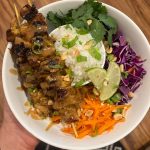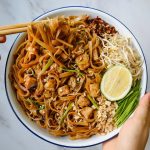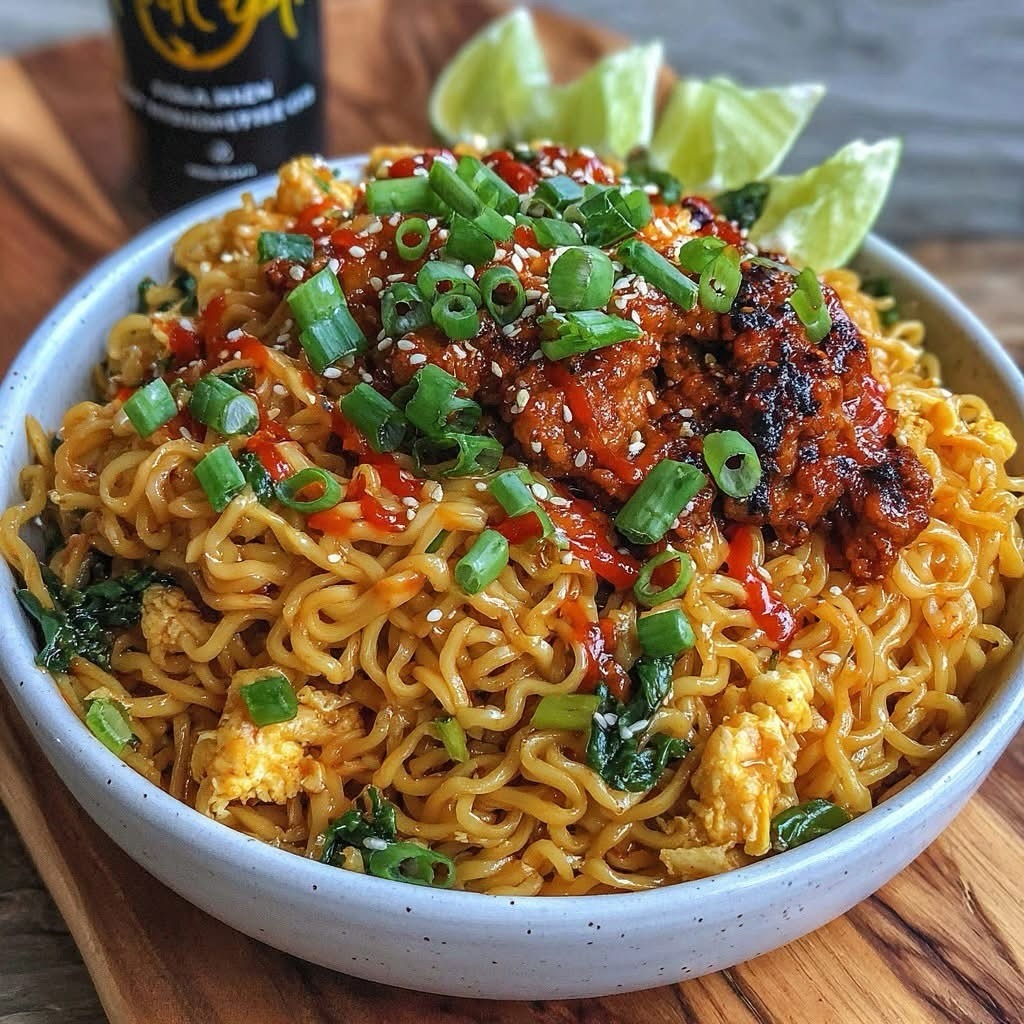
If you love bold, spicy, and savory flavors, this high protein spicy gochujang noodles recipe is going to be your new favorite meal. It’s rich, fiery, slightly sweet, and packed with umami thanks to the Korean chili paste called gochujang. Combined with protein-rich ingredients and chewy noodles, it creates a satisfying dish that feels like restaurant-quality comfort food made right at home.
This recipe is perfect for busy weeknights, quick lunches, or post-workout meals when you want something filling but still exciting and flavorful.
What Are Gochujang Noodles?
Gochujang noodles are a Korean-inspired dish made with noodles tossed in a spicy sauce based on gochujang, a fermented red chili paste. The sauce typically includes soy sauce, garlic, sesame oil, and a touch of sweetness to balance the heat.
In this high-protein version, we boost nutrition by adding chicken, beef, tofu, or eggs, making it a complete and balanced meal.
Why You’ll Love This Recipe
This dish is fast, easy, and incredibly flavorful. It comes together in under 30 minutes and uses simple ingredients you can find in most grocery stores. The spicy-sweet sauce is addictive, and the protein makes it filling enough to keep you satisfied for hours.
It’s also very customizable depending on your spice tolerance and dietary preferences.
Ingredients You’ll Need
Here’s a simple high-protein version of spicy gochujang noodles:
Main Ingredients
200g noodles (udon, ramen, or rice noodles)
200g chicken breast (or tofu, beef, or shrimp)
1 tablespoon oil
2 cloves garlic (minced)
1 egg (optional for extra protein)
Vegetables
1 cup spinach
½ bell pepper (sliced)
½ carrot (julienned)
2 green onions (chopped)
Gochujang Sauce
2 tablespoons gochujang (Korean chili paste)
1 tablespoon soy sauce
1 tablespoon sesame oil
1 tablespoon honey or sugar
1 teaspoon rice vinegar
1–2 tablespoons water (to adjust consistency)
Optional Add-Ins
Sesame seeds
Chili flakes for extra heat
Kimchi
Mushrooms
Edamame for extra protein
Step-by-Step Instructions
Step 1: Cook the Noodles
Cook noodles according to package instructions. Drain and set aside.
Step 2: Cook the Protein
Heat oil in a pan over medium-high heat. Add chicken (or your chosen protein) and cook until golden and fully cooked. Remove and set aside.
Step 3: Cook the Egg (Optional)
In the same pan, scramble the egg lightly and set aside with the protein.
Step 4: Sauté Garlic and Vegetables
Add garlic to the pan and cook until fragrant. Then add carrots, bell peppers, and any other vegetables. Stir-fry for 2–3 minutes.
Step 5: Make the Sauce
In a small bowl, mix gochujang, soy sauce, sesame oil, honey, rice vinegar, and water until smooth.
Step 6: Combine Everything
Add noodles to the pan along with cooked protein and eggs. Pour the sauce over everything and toss well until fully coated.
Step 7: Heat and Finish
Cook for another 1–2 minutes so the sauce thickens slightly and coats the noodles evenly.
Step 8: Serve
Top with green onions, sesame seeds, and optional chili flakes. Serve hot.
Tips for Perfect Gochujang Noodles
Don’t overcook noodles—they should stay slightly chewy.
Adjust spice level by reducing or increasing gochujang.
Add a splash of water if the sauce becomes too thick.
Cook on high heat for better flavor and texture.
Protein Options and Variations
Chicken Version
Classic and lean, great for everyday meals.
Beef Version
Richer flavor and more savory depth.
Tofu Version
Perfect vegetarian option, especially if pan-fried crispy.
Shrimp Version
Light, quick-cooking seafood alternative.
Egg-Only Version
Simple and budget-friendly protein boost.
Flavor Variations to Try
Extra Spicy Version
Add chili flakes or extra gochujang.
Creamy Version
Add a spoon of Greek yogurt or cream cheese.
Peanut Gochujang Version
Add peanut butter for a rich, nutty twist.
Veggie Loaded Version
Add broccoli, mushrooms, and snap peas.
Low-Carb Version
Use zucchini noodles or shirataki noodles.
How to Serve Spicy Gochujang Noodles
These noodles are best served fresh and hot. You can enjoy them:
As a main meal
With kimchi on the side
With a fried egg on top
With a light cucumber salad
Nutritional Benefits
This high protein version provides a balanced mix of protein, carbohydrates, and vegetables. Protein helps support muscle recovery and keeps you full, while vegetables add fiber and essential nutrients. Gochujang also contains fermented ingredients that add depth and complexity to the dish.
Storage and Meal Prep Tips
Store leftovers in an airtight container in the refrigerator for up to 3 days. Reheat in a pan or microwave with a splash of water to loosen the sauce.
For meal prep, store sauce separately and combine when reheating for best texture.
Why This Recipe Works
The combination of spicy gochujang, savory soy sauce, and a touch of sweetness creates a perfectly balanced flavor profile. When paired with chewy noodles and protein, it becomes a complete and satisfying meal.
Final Thoughts
High protein spicy gochujang noodles are bold, comforting, and incredibly easy to make. They deliver restaurant-style flavor in a simple homemade dish that you can customize in endless ways.
Once you try it, it’s very likely to become one of your go-to spicy noodle recipes for quick and satisfying meals.